A Region Ablaze: The Unfolding Catastrophe
The Middle East is a powder keg ignited, as a devastating new chapter of conflict unfolds. With **Iran's Supreme Leader Ayatollah Ali Khamenei confirmed dead** and over 1,300 Iranian lives lost in recent US-Israeli strikes, the region is now gripped by an unprecedented exchange of fire. From Tehran to Beirut, and across vital American military bases, the ripple effects are catastrophic, leaving hundreds of thousands displaced and global powers scrambling for answers.
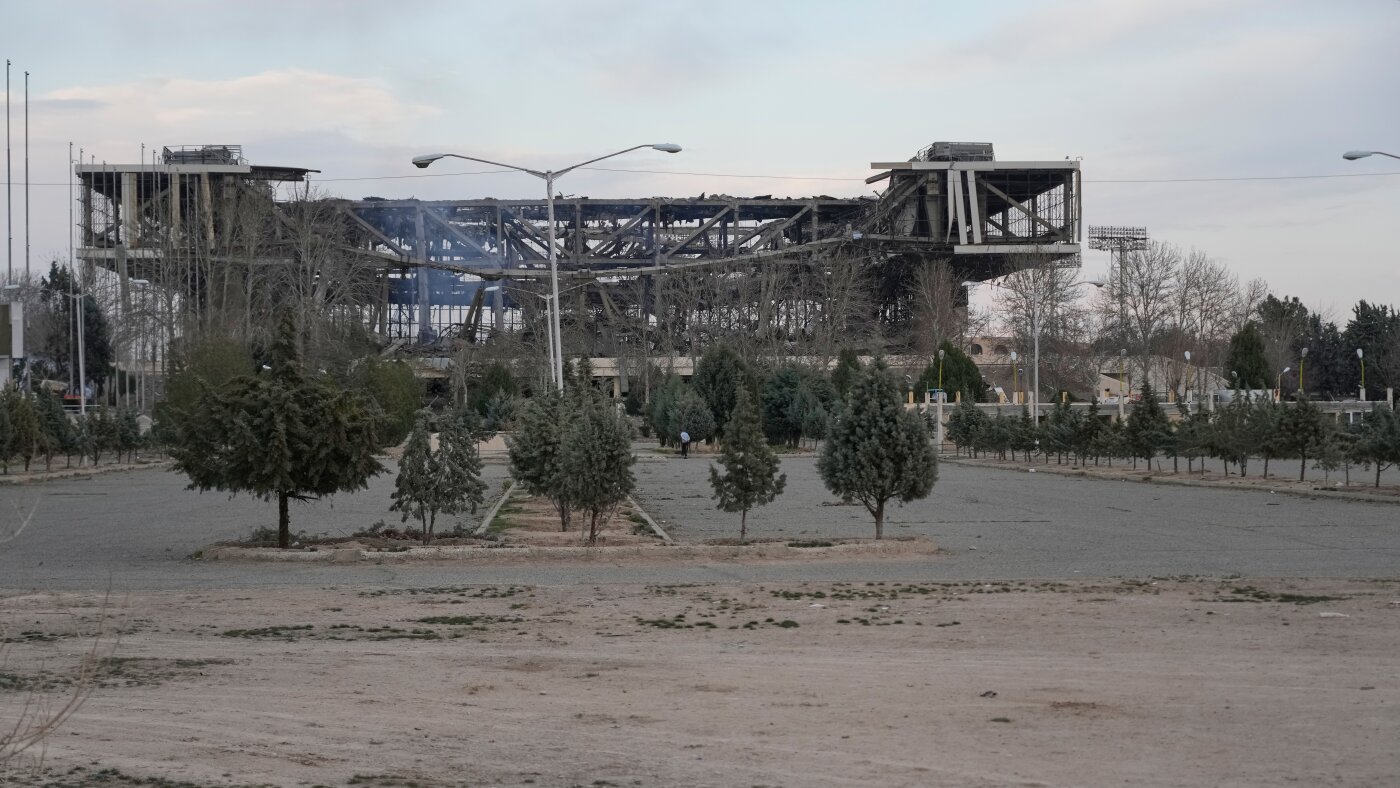
In a shocking escalation, combined **U.S.–Israeli military strikes** recently struck Iran's capital, Tehran, heavily damaging the 12,000-seat Azadi indoor stadium. These attacks, described by Israel's military as a "broad wave" targeting regime infrastructure, also hit Beirut’s southern suburbs. The humanitarian organization, Iranian Red Crescent, reports a horrifying toll: **more than 1,300 people killed in Iran**, including Supreme Leader Ayatollah Ali Khamenei and over 160 children in a devastating strike on a girls' school. The United Nations refugee agency confirms that approximately **100,000 people fled Tehran** in the first two days alone, starting February 28.
Iran's response was swift and brutal. Early Friday, retaliatory strikes were launched against Israel, alongside missiles and drones targeting countries hosting **U.S. military bases**, including Kuwait, Saudi Arabia, Jordan, and the United Arab Emirates. Qatar's Ministry of Defense announced the interception of a drone targeting **Al-Udeid Air Base**, one of the largest U.S. military installations in the Middle East. In Bahrain, Iranian missiles reportedly struck a hotel and two residential buildings in the capital, Manama, though no casualties were reported.
Allies Vow Retaliation as Conflict Spreads
U.S. Central Command commander, **Adm. Brad Cooper**, declared, "Last night, Iranian forces fired seven attack drones at civilian, residential neighborhoods in Bahrain. This is unacceptable and will not go unanswered." The United Kingdom quickly affirmed its support, with British Ambassador to Bahrain Alastair Long announcing **Royal Air Force fighter jets** would fly over Bahrain to defend "one of our closest allies."
War on Multiple Fronts: Lebanon and Beyond
The conflict raged ferociously in Lebanon, a stronghold of the Iran-backed militant group Hezbollah. Ahead of heavy Israeli strikes on Beirut's southern suburb of Dahiyeh, Israel issued urgent **evacuation orders**, telling residents to "save your lives and leave." Roads out of Dahiyeh were gridlocked as **over 95,000 people** fled, leaving behind their homes. Lebanon's Health Ministry confirms these Israeli strikes have killed **123 people and wounded over 600** since the war began.
Israel's military claimed these Beirut strikes targeted Hezbollah infrastructure after the group fired rockets into northern Israel. They announced the destruction of a Hezbollah leadership headquarters and a drone warehouse. Furthermore, Israel claims to have eliminated key figures, including Hezbollah commander **Zaid Ali Jumaa**, a senior figure in rocket and drone operations, and a Hamas commander responsible for training operatives in Lebanon, in a strike near Tripoli—the first reported strike in that area since the war erupted. The Lebanese army has reportedly pulled back from some border positions as Israeli operations expanded.
Trump's Explosive Intervention: Demands, Diplomacy, and Succession
Former President Donald Trump, speaking ahead of a White House event, made audacious claims, stating Iran's military had suffered "significant losses." He claimed Israel had destroyed **80% of Iran's air defenses** and at least **60% of its missile launch capability**, with the U.S. also striking an Iranian "drone carrier" at sea, leaving it ablaze.
Trump didn't stop there. He **urged Iranian leaders to surrender for "immunity,"** stating the U.S. would "be giving you really the right side of history." Even more controversially, Trump asserted his intent to be involved in selecting Iran's next leader, telling Reuters, "We're going to have to choose that person along with Iran." He firmly opposed Mojtaba Khamenei, son of the deceased Supreme Leader, calling him a "lightweight" and drawing parallels to U.S. involvement in Venezuelan leadership. "We want to be involved in the process of choosing the person who is going to lead Iran into the future," Trump stated, "so we don't have to go back every five years and do this again and again."
Iranian Defiance: "We Are Waiting For Them"
Amidst Trump's declarations, Iran's foreign minister, **Abbas Araghchi**, struck a defiant tone in an interview with NBC News. He flatly rejected any idea of a ceasefire or new talks with the Trump administration, denying any behind-the-scenes contact. Asked if he feared a U.S. ground invasion, Araghchi boldly declared, "No, we are waiting for them," adding that such a move would be "a big disaster" for the United States.
Global Ripples: The Oil Sanctions Twist
In a surprising geopolitical maneuver, the U.S. Treasury Department is issuing a **30-day waiver** to allow Indian refineries to purchase some Russian oil, which was previously under U.S. sanctions. This represents a significant turnaround after months of the Trump administration pressuring India's President Narendra Modi to cease accepting Russian crude. The move is a direct consequence of the U.S.- and Israeli-led war against Iran, which has cut off India's usual crude oil supplies from the Persian Gulf.
Key Takeaways from the Escalating Middle East Crisis
| Key Player/Event | Impact/Status |
|---|---|
| US-Israeli Strikes on Iran | Led to over 1,300 deaths, including Supreme Leader Ayatollah Ali Khamenei. Targeted Tehran's Azadi stadium and a girls' school. |
| Iranian Retaliation | Launched missiles/drones at Israel and US-allied nations (Qatar, Bahrain, Kuwait, Saudi Arabia, Jordan, UAE), hitting Al-Udeid Air Base and residential areas in Bahrain. |
| Humanitarian Crisis | Approximately 100,000 people fled Tehran. 95,000 displaced in Lebanon, with 123 killed and 600+ wounded. |
| US/UK Response | US Central Command condemns Iran's attacks; UK deploys RAF fighter jets to defend Bahrain. |
| Trump's Intervention | Claims significant damage to Iran's military. Urges Iran to surrender, seeks to select Iran's next leader, and opposes Khamenei's son. |
| Iranian Defiance | Foreign Minister Araghchi rejects ceasefire/talks, "waiting" for potential US ground invasion. |
| Economic Shift | US issues 30-day waiver for India to buy Russian oil due to disruption of Persian Gulf supplies. |
Frequently Asked Questions (FAQ)
- What sparked this sudden escalation? The conflict escalated following "broad wave" US-Israeli military strikes on Iran, which Israel stated targeted regime infrastructure and led to significant casualties and the death of Iran's Supreme Leader.
- Who has been attacked? Iran was initially struck by US-Israeli forces. Iran then retaliated by attacking Israel and countries hosting US military bases, including Qatar, Bahrain, Kuwait, Saudi Arabia, Jordan, and the UAE. Israel also conducted extensive strikes in Lebanon.
- What is the human cost of the conflict so far? Over 1,300 people have been killed in Iran, including the Supreme Leader and more than 160 children. Approximately 100,000 people have fled Tehran. In Lebanon, 123 people have been killed and over 600 wounded, with 95,000 displaced.
- What is the U.S. role in this conflict? The U.S. is involved in joint military strikes with Israel, has a military presence in targeted countries like Qatar and Bahrain, and its Central Command has condemned Iranian actions. The U.S. Treasury also issued an oil waiver for India due to the conflict.
- What controversial statements has President Trump made? President Trump has claimed significant damage to Iran's military, urged Iran to surrender for "immunity," and stated his desire for the U.S. to be involved in selecting Iran's next leader, specifically opposing the son of the deceased Supreme Leader.
- Is this a full-scale war? The scale of military strikes, casualties, displacement, and direct engagement between multiple state and non-state actors, along with explicit statements from officials, indicates a highly escalated and ongoing state of conflict, often described as a war.
