Washington D.C. is bracing for another political earthquake as a high-stakes battle over Department of Homeland Security (DHS) funding threatens to trigger a partial government shutdown. At the heart of the standoff? The contentious future of Immigration and Customs Enforcement (ICE) and a bitter blame game between Democrats and Republicans, pushing lawmakers to the edge.
The Stalemate Deepens: A War of Words
The latest counteroffer from Democrats to fund DHS and reform ICE has been swiftly dismissed by Senate Majority Leader John Thune (R-SD) as “not even close to being real.” Thune, speaking to reporters, accused Democrats of “going in circles” and asking for concessions already rejected. He specifically cited **nine new demands** from Democrats containing what he labeled “nonstarters.”
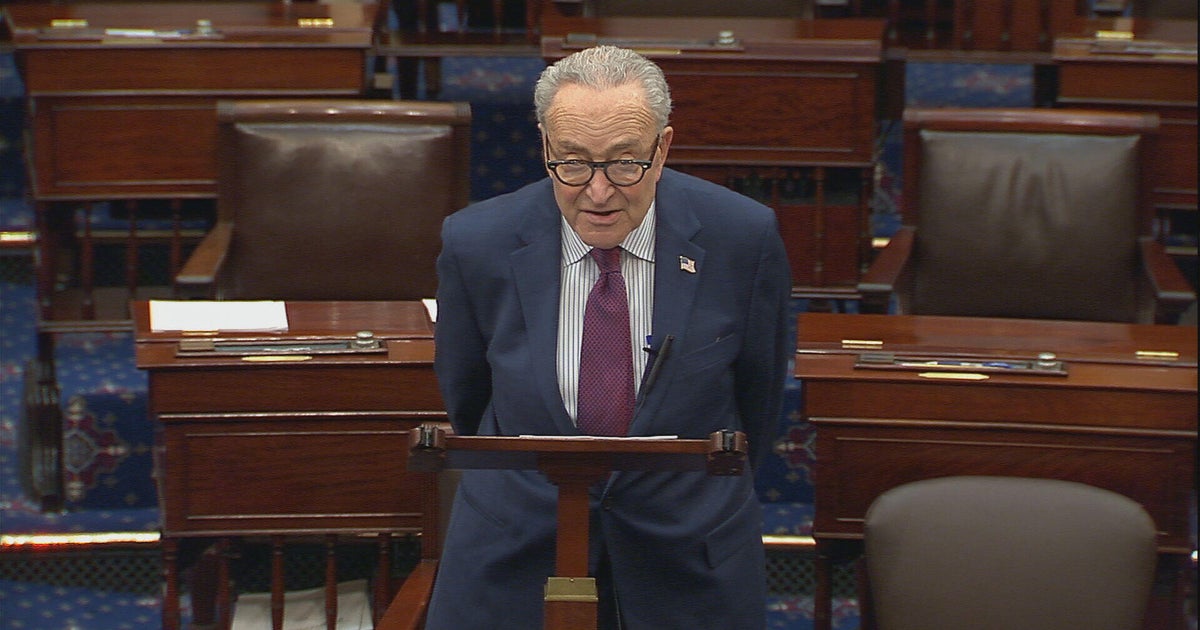
Democrats, led by Senate Minority Leader Chuck Schumer (D-NY) and House Minority Leader Hakeem Jeffries (D-NY), maintain their proposals are “reasonable, good-faith” and essential. Schumer blasted Republican accusations of Democrats “moving the goalposts” as “outrageous and bad-faith,” insisting their demands have been consistent from the outset.
Thune, however, painted a different picture, claiming Republicans have been “as accommodating as I think you possibly can” and expressing frustration that when a target is hit, Democrats “walk away from it.” This has allegedly happened “multiple times,” including “most recently over the weekend.”
Behind the Demands: ICE Reform at the Core
Central to the Democratic demands are two key reforms for ICE: **requiring agents not to wear masks and to use judicial warrants for enforcement actions**. Democrats argue these are “absolutely essential” for ICE to “conduct itself like every other police officer, every other law enforcement agency.” Jeffries emphasized, “We want ICE to be compelled to conduct itself like every other police officer, every other law enforcement agency, every other cop in the country.”
Thune categorically stated these warrant and mask issues have “never been on the table” for Republican negotiators. While acknowledging some changes have occurred under new DHS leadership, he called these specific policy areas “very, very difficult to write policy about” and suggested Democrats were playing to their “crazy online political base.”
GOP's Bold Play: Split Funding Strategy
In a bid to break the logjam, Republicans are pushing a proposal to fund the bulk of DHS while **deliberately withholding funds for ICE's Enforcement and Removal Operations (ERO) division**. This unusual strategy, outlined by Thune’s communications director Ryan Wrasse, came as an amendment to an earlier bipartisan funding bill that was “upended” following fatal shootings by federal agents in Minneapolis. Wrasse stated the Republican offer provides a “clear path to end the Democrats' shutdown, reopen DHS, make employees whole again,” allowing ERO talks to proceed separately.
House Rebels? The Conservative Backlash
The Republican strategy isn't without its own internal critics. Rep. Andy Harris (R-MD), chairman of the conservative House Freedom Caucus, declared he would **“not vote for it in the House,”** calling the decision to sever ERO funding “very unusual” and a bad precedent. Harris, despite his opposition, conceded it might garner enough Democratic support to pass the lower chamber, highlighting the complex political tightrope walk for Republicans.
The Eleventh Hour: Will a Deal Emerge?
With the clock ticking, lawmakers are under immense pressure to find common ground. Key negotiator Sen. Katie Britt (R-AL) confirmed that conversations are ongoing and that “there are deals on the table,” stressing, “we have to” get a deal done by week's end. Jeffries urged lawmakers to “stay in town until a deal can be reached,” emphasizing, “We need to resolve this issue. We should resolve it this week.”
While Thune acknowledged the difficulty of not funding the government if they leave town, he also indicated that no firm decision had been made on whether senators would remain. The next few days are critical as Washington grapples with this latest fiscal cliff, with the potential consequences reverberating across national security and immigration enforcement.
Key Takeaways: Understanding the DHS/ICE Standoff
| Aspect | Details |
|---|---|
| Core Issue | Funding for the Department of Homeland Security (DHS) and reforms for Immigration and Customs Enforcement (ICE). |
| GOP Position | Wants to fund the bulk of DHS, but withhold funds for ICE's Enforcement and Removal Operations (ERO) division. Accuse Democrats of "moving the goalposts." |
| Democratic Position | Wants to fund DHS with "commonsense guardrails" for ICE, including requirements for judicial warrants and prohibiting agents from wearing masks. Deny "moving the goalposts." |
| Key Players | Sen. John Thune (R), Sen. Chuck Schumer (D), Rep. Hakeem Jeffries (D), Sen. Katie Britt (R), Rep. Andy Harris (R). |
| Legislative Strategy | GOP offered a three-page amendment to strip ERO funding from an earlier bipartisan bill, allowing DHS funding to proceed separately. |
| Potential Outcome | Partial government shutdown if no deal is reached, ongoing political blame game. |
FAQ: Your Questions on the DHS/ICE Funding Battle Answered
What is ICE's Enforcement and Removal Operations (ERO) division?
ERO is the primary investigative and enforcement arm of ICE, responsible for identifying, arresting, and removing noncitizens who violate U.S. immigration laws. It plays a critical role in interior immigration enforcement and deportation.
Why are Democrats pushing for ICE reforms like judicial warrants and mask prohibitions?
Democrats argue these reforms are essential to ensure ICE operates with greater accountability and transparency, aligning its practices more closely with other law enforcement agencies. Judicial warrants would introduce a higher legal standard for arrests, and prohibiting masks is aimed at increasing agent accountability and public trust.
What does it mean when politicians accuse each other of “moving the goalposts”?
This phrase is used to accuse the opposing side of changing their demands or conditions for a deal after initial terms have been met or agreed upon. It implies a lack of seriousness in negotiations and a desire to prolong the conflict rather than reach a resolution.
Could this legislative disagreement lead to a government shutdown?
Yes, if Congress fails to pass legislation to fund DHS by the deadline, parts of the department, including non-essential services, could experience a partial shutdown. This would impact federal workers and various homeland security operations.
