Imagine waking up to find history being rewritten overnight. For decades, the name Cesar Chavez symbolized justice and progress for farmworkers across America. Now, in a stunning reversal, his monuments are vanishing, streets are being renamed, and a complicated legacy is unraveling at breathtaking speed.
The Shockwaves: An Icon's Legacy Dismantled
Just two days after bombshell allegations surfaced from a New York Times investigation—accusing famed farmworker rights leader Cesar Chavez of sexually assaulting minors and even fellow labor icon Dolores Huerta—a rapid and unprecedented erasure of his public presence has begun. This seismic shift is particularly pronounced in California, the very heartland where Chavez's monumental fight for agricultural workers' rights was etched into state history.
The speed of these changes has left communities reeling:
- In San Fernando, a statue of Chavez was completely covered, then pulled from its pedestal and relegated to storage.
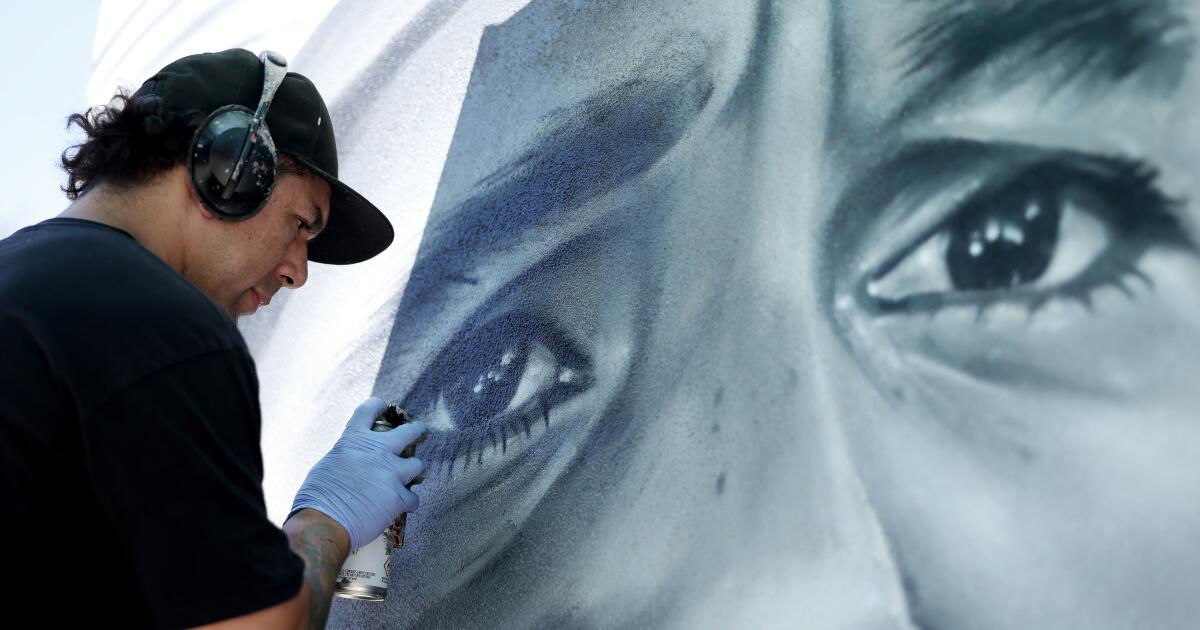
- Across Los Angeles, murals celebrating Chavez were unceremoniously painted over.
- Fresno's City Council, after a controversial decision just three years prior to rename a major street in his honor, voted to strip his name. Soon, the familiar names—Kings Canyon Road, Ventura Street, and California Avenue—will return to the nearly 10-mile corridor.
Why So Fast? The Rush to Reckon
California officials and activists expressed profound shock at the allegations, stating an immediate response was "essential." While reassessing historical place names due to newly revealed controversies is not new—think Confederate figures or Father Junípero Serra—the blistering pace of Chavez's removal is truly without precedent. Previous renamings often involved months, if not years, of deliberative debate.
For many, the urgency sends a critical message: such behavior is unacceptable. Los Angeles Mayor Karen Bass and City Council members swiftly announced they would abandon the holiday honoring Chavez’s birthday. Instead, it will be renamed “Farm Workers Day,” a move designed to redirect focus from an individual to the collective struggles and contributions of laborers who toil in the fields.
“I appreciate that my community has the integrity and the strength to reckon with these new revelations in a very expedient way,” stated Los Angeles City Councilmember Monica Rodriguez, highlighting the immediate nature of the holiday renaming.
Voices from the Fields: Shifting Focus to the Movement
The news hit hard among the very community Chavez championed. Araceli Molar de Barrios, who worked in the fields for nearly 30 years, shared her own experiences with sexual harassment from supervisors. For her, the allegations against Chavez were a painful reminder of deep-seated issues.
Molar de Barrios, like many, believes that cities and officials should recognize the arduous work of farmworkers. “People don’t know the sacrifice, what it’s like to eat in the hot sun, when they used to not provide shade, when there weren’t bathrooms nearby,” she emphasized. “They’re the ones who deserve everything.”
Honoring the Collective, Not Just One Icon
This sentiment echoes calls from other key figures. Labor icon Dolores Huerta, herself a rumored victim in the allegations, expressed a powerful desire for change. In an interview, Huerta stated, “Everything should be named for the martyrs of the Farm Workers Movement. Every street should be named after them.” Molar de Barrios even suggested honoring Huerta directly for her sacrifices.
Irene De Barraicua of Líderes Campesinas articulated the core demand: farmworkers “do not wish to be politicized or romanticized, but simply humanized” and afforded safe, fair conditions. The Cesar Chavez Foundation itself has indicated support for renaming the holiday to honor farmworkers, signaling a broad consensus to pivot from individual reverence to collective recognition.
The Historian's Warning: A Deeper Reckoning Needed?
While the swiftness of these actions is striking, some historians raise a cautionary flag. Catherine Gudis, Professor of History at UC Riverside, cautions against moving too quickly.
“It’s a terrible idea to move swiftly and not have the really complicated and challenging process that is required to actually work towards more than a superficial pretense of revisionist history,” Gudis stated. She and others advocate for a broader effort to uplift lesser-known figures who contributed to the movement, people the community can genuinely connect with, rather than fixating on a single, potentially flawed icon.
This evolving narrative challenges communities to engage in a deeper, more nuanced reckoning with history, moving beyond simple erasure towards a more inclusive and authentic understanding of the past and its true heroes.
Key Takeaways: Cesar Chavez's Shifting Legacy
| Aspect | Details |
|---|---|
| Allegations | New York Times investigation reveals sexual assault allegations against Cesar Chavez involving minors and Dolores Huerta. |
| Swift Reaction | Unprecedented speed of erasure in California: statues removed, murals painted over, streets renamed within days. |
| Holiday Renaming | Cesar Chavez Day holiday abandoned in L.A., replaced with "Farm Workers Day" to honor all laborers. |
| Shift in Focus | Growing call to honor the collective "Farm Workers Movement" and its martyrs, rather than individual figures. |
| Historian's Caution | Experts warn against rapid, superficial historical revisions, advocating for a more complex and inclusive process. |
Frequently Asked Questions (FAQ)
Q: What are the allegations against Cesar Chavez?
A: A New York Times investigation brought forth allegations that Cesar Chavez sexually assaulted minors and fellow labor icon Dolores Huerta.
Q: Why are these changes happening so quickly?
A: California officials and activists expressed deep shock at the allegations and felt it was essential to act immediately to condemn such behavior and redirect focus to the broader farmworker movement, rather than just one individual.
Q: What is "Farm Workers Day"?
A: "Farm Workers Day" is the new name for the holiday formerly honoring Cesar Chavez's birthday in Los Angeles. It is intended to honor all laborers who work in the fields, acknowledging their collective contributions and struggles.
Q: How does this compare to other historical figure removals?
A: While figures like Confederate leaders and Father Junípero Serra have seen monuments removed in recent years, those processes were generally slower and more deliberative, often taking months or sparking extensive public debate. The speed of Chavez's erasure is noted as unprecedented.
Q: What do historians advise regarding these swift changes?
A: Historians like Catherine Gudis caution against swift, superficial historical revisions. They recommend a more complicated and challenging process that uplifts lesser-known figures and allows for a deeper, more resonant understanding of historical movements.
