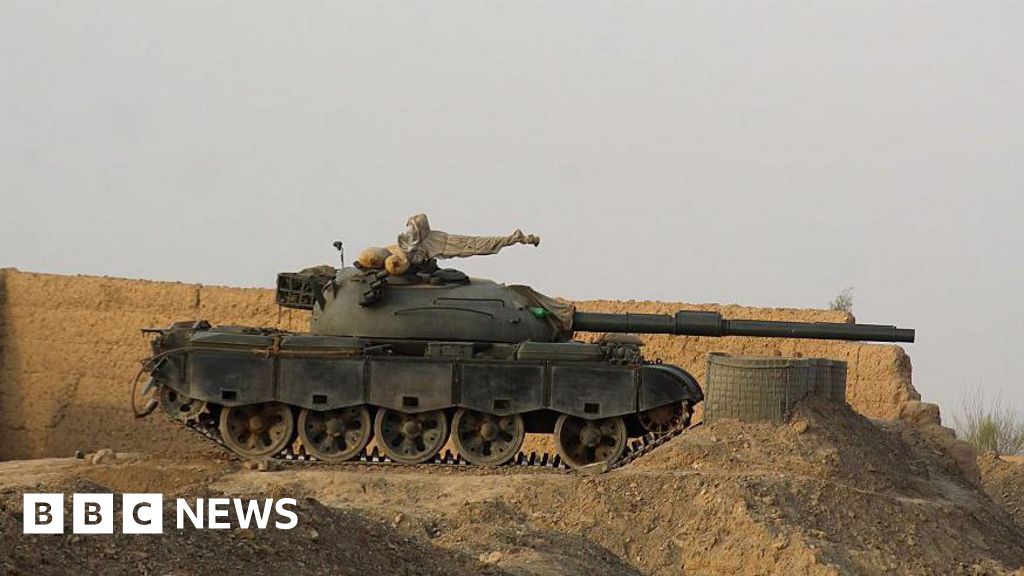
Shockwaves! Pakistan Declares 'Open War' on Afghanistan
The geopolitical landscape of South Asia has been violently reshaped as Pakistan's defense minister shockingly declared the country to be in "open war" with Afghanistan. This explosive statement follows a wave of retaliatory airstrikes launched by Islamabad on targets across Afghanistan, including its capital, Kabul, marking a dramatic and dangerous escalation in tensions between the two neighbors.
"Our patience has now run out," asserted Khawaja Muhammad Asif, Pakistan's defence minister, sending a clear, unequivocal message to the world. The strikes came swiftly after the Afghan Taliban announced a significant offensive against Pakistani military posts near their shared border just hours earlier, plunging the volatile region into further uncertainty.
A Dangerous Escalation: From Border Skirmishes to Airstrikes
This latest surge in hostilities didn't erupt overnight. It's the culmination of months of intense clashes, despite a fragile ceasefire agreed upon last October. That truce, much like previous negotiations, failed to secure a lasting peace, with both nations locked in a bitter blame game over who truly sabotaged the talks.
The Trigger: Afghan Taliban Offensive & Pakistan's Swift Retaliation
Thursday night saw the Afghan Taliban initiate what they termed a "retaliatory operation," claiming to have overrun 19 Pakistani military posts and two bases, resulting in the deaths of 55 Pakistani soldiers. While these claims remain unverified by independent sources like the BBC, they ignited an immediate and fierce response from Islamabad.
Pakistan quickly hit back, accusing the Taliban of having "miscalculated and opened unprovoked fire" in its northwestern Khyber Pakhtunkhwa province. What followed was a devastating series of bombing raids in the early hours of Friday morning, targeting Kabul, Kandahar, and Paktika – all cities close to the expansive 2,600 km (1,615 miles) shared mountainous border.
Conflicting Casualties and Blame: The Fog of War
In the aftermath of the strikes, both sides presented starkly different accounts of the damage inflicted and sustained. Pakistan's military spokesman claimed to have hit 22 Afghan military targets and eliminated over 200 Taliban fighters, while reporting 12 Pakistani soldier fatalities.
Conversely, the Afghan Taliban spokesman, Mujahid, countered, stating only 13 Taliban fighters were killed and 22 injured, alongside the tragic injury of 13 civilians and an unspecified number of civilian deaths. The veracity of these figures from both sides remains unconfirmed, a common characteristic in such fast-moving conflicts.
Alleged Drone Warfare and Thwarted Attacks
The conflict escalated into the skies, with the Afghan Taliban initially claiming – then deleting – a social media post about launching strikes on Pakistani military positions in Kandahar and Helmand. Later, sources within the Taliban government indicated they had carried out drone strikes on several targets within Pakistan on Friday morning.
Pakistan’s Information Minister confirmed that its military successfully thwarted Afghan drones targeting key areas like Swabi, Nowshera, and Abbottabad – a vital military garrison city. Pakistani Prime Minister Shehbaz Sharif issued a stern warning: his forces possess the "full capability to crush any aggressive ambitions," vowing "no compromise" in defending their homeland.
A Humanitarian Crisis Looms: Refugees Caught in the Crossfire
Amidst the military exchanges, a humanitarian crisis has begun to unfold. Taliban officials in Afghanistan claimed Pakistani rockets struck a refugee camp in Nangarhar, housing recent Afghan arrivals from Pakistan, injuring at least nine people. This claim, too, awaits independent verification.
While reports suggest a brief calm has descended, residents on both sides of the border remain on high alert, fearing further escalation.
International Community Urges De-escalation and Dialogue
The alarming developments have prompted swift reactions from the international community:
- Pakistan's Foreign Minister engaged in urgent talks with his counterparts in Turkey and Saudi Arabia, stressing the "importance of peace and stability."
- Iran offered to "facilitate dialogue," urging both nations to resolve differences through "good neighborliness."
- The UK Foreign Secretary called for "immediate steps toward de-escalation" and warned against "further harm to civilians."
The Deep Roots of Distrust: Blame Games and Failed Peace
At the heart of this deadly dispute lies Pakistan's long-standing accusation that Afghanistan's Taliban government is supporting "anti-Pakistan terrorists" responsible for brutal attacks, including a recent mosque bombing in the capital. Both sides offer differing narratives on the origins of the conflict, fueling a cycle of mistrust and violence.
These latest bombing raids represent the most significant development in the fraught relationship, yet the full extent of their physical and human impact remains chillingly unclear. As the region holds its breath, the world watches, hoping for a return to dialogue before this "open war" spirals further out of control.
Key Takeaways: Pakistan-Afghanistan Escalation
| Event/Issue | Description |
|---|---|
| "Open War" Declared | Pakistan's Defence Minister stated the country is in "open war" with Afghanistan. |
| Airstrikes Launched | Pakistan launched retaliatory airstrikes on Kabul, Kandahar, and Paktika. |
| Trigger Event | Afghan Taliban offensive on Pakistani military posts near the border. |
| Root Cause | Pakistan blames Afghanistan for supporting "anti-Pakistan terrorists." |
| International Response | Turkey, Saudi Arabia, Iran, and UK urge de-escalation and dialogue. |
| Humanitarian Concern | Reports of a refugee camp being hit, raising concerns for civilians. |
Frequently Asked Questions (FAQ)
- Q: What sparked this latest escalation between Pakistan and Afghanistan?
- A: The immediate trigger was a major offensive launched by the Afghan Taliban against Pakistani military posts near the border on Thursday night, which Pakistan said was "unprovoked."
- Q: What is Pakistan's justification for its airstrikes?
- A: Pakistan states its airstrikes were a direct, "immediate and effective response" to the Afghan Taliban's attacks and a retaliation for long-standing issues, including alleged support for "anti-Pakistan terrorists" blamed for suicide bombings.
- Q: How has Afghanistan's Taliban government responded?
- A: The Afghan Taliban claimed their initial operation was "retaliatory" and subsequently claimed to have launched drone strikes on Pakistani targets. They dispute Pakistan's casualty figures and accuse Pakistan of hitting civilian areas like refugee camps.
- Q: Are there international efforts to de-escalate the situation?
- A: Yes, international actors including Turkey, Saudi Arabia, Iran, and the UK have called for an immediate de-escalation of hostilities and urged both Pakistan and Afghanistan to re-engage in dialogue to resolve their differences peacefully.
- Q: What are the long-term implications of this conflict?
- A: The declaration of "open war" signifies a severe breakdown in relations, threatening regional stability, potentially displacing more civilians, and making future peace negotiations even more challenging, with uncertain impacts on global counter-terrorism efforts.
