The fallout from the Jeffrey Epstein scandal continues to send shockwaves across the globe, but a striking divergence has emerged: while European royals and political heavyweights are facing swift, career-ending consequences for their ties to the convicted sex offender, many prominent Americans implicated in the same explosive files appear to be weathering the storm largely unscathed.
This stark contrast raises critical questions about accountability, the influence of money in politics, and fundamental differences in governmental structures. Are European nations genuinely committed to purging Epstein's lingering shadow, or does the U.S. system offer a unique shield to its most powerful figures?
A Tale of Two Continents: Accountability Divide
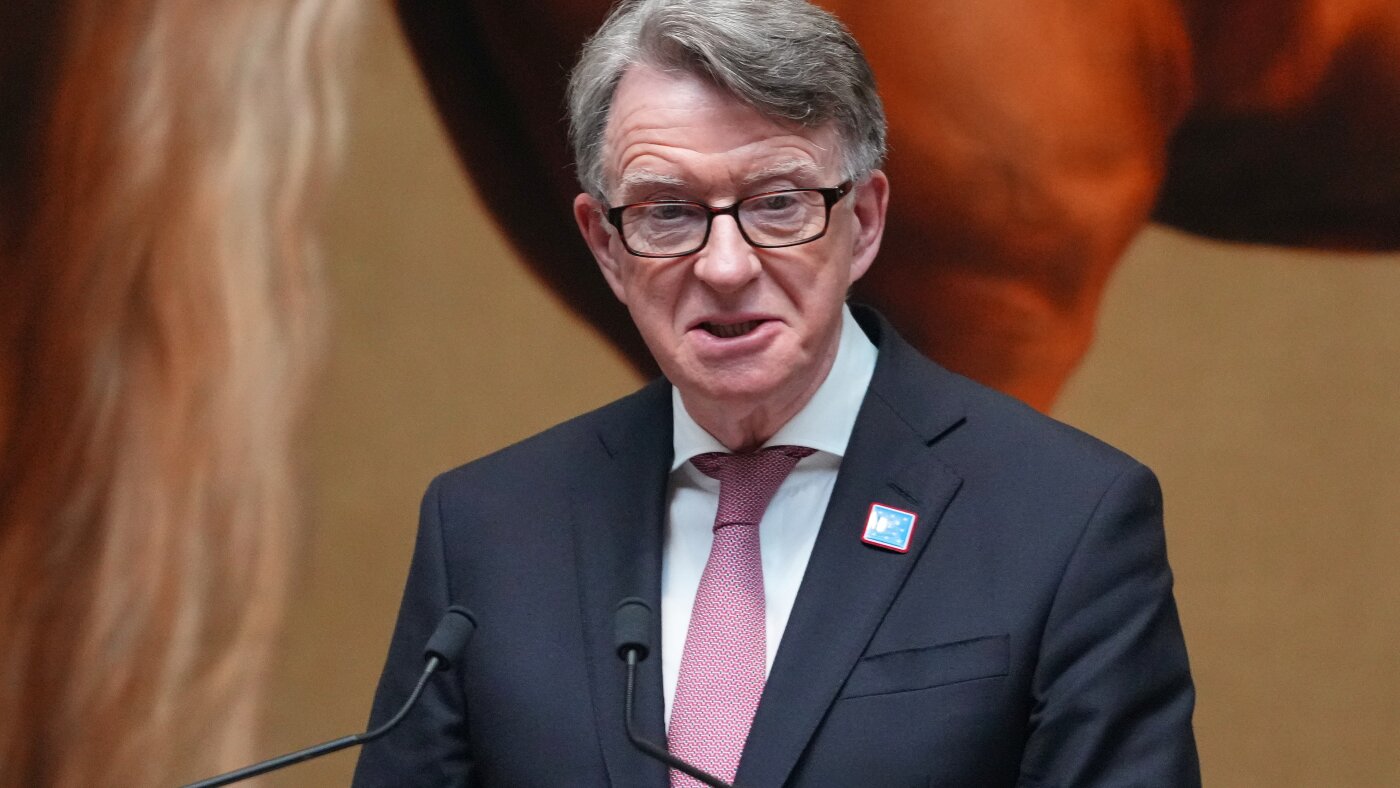
From stripped royal titles to criminal investigations, the repercussions for individuals named in the Epstein documents have been profound across Europe. In the United Kingdom, former Prince Andrew, once a prominent royal, has been publicly disgraced, stripped of his titles, and is now the subject of a fresh police investigation. Similarly, top political figures like Peter Mandelson have seen their careers crumble and now face criminal probes.
Yet, stateside, the narrative paints a different picture. Despite their names appearing frequently in the same files, prominent Americans – including former Presidents and cabinet secretaries – largely remain in their positions of power. The glaring disparity has ignited public debate and fueled accusations of a two-tiered justice system.
Europe's Swift Justice: Stripped Titles & Criminal Probes
Peter Mandelson's Downfall Sends Shockwaves
In a dramatic turn of events, Peter Mandelson, a once-powerful Labour Party figure and Britain's former ambassador to the U.S., was **stripped of his position and resigned from the House of Lords** earlier this month. The catalyst? Undeniable ties to Jeffrey Epstein, including new allegations of receiving payments and sharing government documents. This has escalated into a full-blown criminal investigation.
Even Prime Minister Keir Starmer faced calls to resign over his initial support for Mandelson, eventually apologizing to Epstein's victims. Starmer confessed, "None of us knew the depth and darkness of that relationship," highlighting the profound impact these revelations have had on British politics.
Prince Andrew's Royal Exile Deepens
The scandal has been particularly brutal for the British monarchy. Former Prince Andrew was not only **stripped of his royal titles and forced to vacate the royal estate** over claims of sexual misconduct, which he denies, but now faces a new police investigation. These latest inquiries center on claims that he shared confidential trade information with Epstein in 2010. Buckingham Palace has confirmed King Charles III is "ready to support" investigators, underscoring the gravity of the situation.
Continental Dominoes: From Paris to Oslo
The ripple effect extends beyond the UK. France's former culture minister, Jack Lang, **resigned as head of a Paris cultural center** amid questions from the French Foreign Ministry regarding his Epstein connections. In Norway, former Prime Minister Thorbjørn Jagland faces "gross corruption" charges and a potential decade in prison after emails revealed stays at Epstein's properties and visits to his private island. Adding to the Norwegian woes, Ambassador Mona Juul resigned, and Crown Princess Mette-Marit issued an apology after documents showed she vacationed at an Epstein property.
US Elites: A Shield of Power & Politics?
The Trump & Lutnick Question Marks
Despite appearing frequently in the released documents as a longtime associate of Epstein, **former President Trump has consistently denied any wrongdoing.** While he claims to have had a falling out with Epstein before his conviction, his connections remain a point of contention. His position as a former president, constitutionally barred from running for a third term, offers a unique form of insulation from certain forms of political accountability, according to experts.
Commerce Secretary Howard Lutnick, initially claiming "very limited interactions" with Epstein, recently **acknowledged traveling to Epstein's private island** with his family in 2012. This shifting narrative highlights the ongoing questions surrounding high-level American figures and their past associations.
Bondi's 'Selective' Releases Spark Outrage
Attorney General Pam Bondi has faced sharp criticism for **"selectively" releasing portions of the Epstein files,** despite bipartisan congressional legislation mandating a full disclosure. During a contentious House Judiciary Committee hearing, Bondi expressed sorrow for victims but notably avoided direct apologies. Critics, including former White House ethics lawyer Richard Painter, question whether the administration is strategically releasing documents that implicate Democrats while shielding Republicans, given Epstein's wide-ranging network.
The 'Why': Money, Power, and Systems
Richard Painter, a University of Minnesota Law School professor and former ethics lawyer to President George W. Bush, offers a critical perspective on the disparity. He notes the **"very humiliating" experience for Europeans** seeing their elites hobnobbing with a "fake American billionaire" and convicted sex trafficker. However, in the U.S., Painter argues, the potent connection between money and politics can create a protective barrier. "You've got all this massive amount of money in politics. So the billionaire class is definitely going to want to be protected," he explained.
Furthermore, Painter points to the fundamental differences in political systems. In parliamentary democracies like Britain, leaders are far more vulnerable to calls for resignation from political opponents or even their own party members. "Ultimately the Parliament, the legislature, calls the shots and then the members of the legislature are vulnerable to be voted down in the next election," he states, suggesting a **greater degree of public accountability** than typically seen in the U.S. presidential system.
Fringe Consequences: A Few Americans Step Down
While the scale of consequences pales in comparison to Europe, a few Americans have indeed relinquished positions of power due to Epstein ties. Larry Summers, a former Treasury Secretary and economic adviser, **stepped away from his teaching role at Harvard.** Brad Karp resigned as chair of the prestigious law firm Paul Weiss, and Kathryn Ruemmler, a top lawyer at Goldman Sachs, announced her upcoming resignation. These instances, however, remain notable exceptions rather than a widespread trend, highlighting the stark global divide in accountability.
Key Takeaways
| Aspect | Detail |
|---|---|
| European Response | Swift and Severe: Loss of titles, political positions, resignations, criminal investigations. Examples include Peter Mandelson, Prince Andrew, Thorbjørn Jagland, Jack Lang. |
| US Response | Limited Consequences: Many high-profile Americans (Donald Trump, Howard Lutnick) retain power; some (Larry Summers, Brad Karp) step down from advisory/private roles. Public officials (Pam Bondi) face criticism but remain in position. |
| Key Difference Explanations | Political Systems: Parliamentary systems (Europe) offer more immediate accountability than the US presidential system. Money & Influence: US politics heavily influenced by money, potentially shielding the "billionaire class." |
| Epstein's Reach | Entangled individuals across politics, royalty, finance, and academia in both continents. |
Frequently Asked Questions (FAQ)
Q: Who was Jeffrey Epstein?
A: Jeffrey Epstein was an American financier and convicted sex offender who died by suicide in jail in 2019 while awaiting trial on sex trafficking charges. He was known for his extensive network of high-profile associates.
Q: What are the "Epstein files"?
A: The "Epstein files" refer to troves of documents, testimonies, and emails released by the U.S. government, primarily from civil lawsuits against Epstein's estate. These documents detail his extensive network and the individuals who associated with him, sometimes revealing their involvement in his illicit activities.
Q: Why are European and US responses to the Epstein scandal so different?
A: Experts attribute the difference to several factors: the structure of political systems (parliamentary systems in Europe tend to have quicker accountability mechanisms), the pervasive influence of money in US politics potentially shielding wealthy individuals, and differing societal expectations for public figures' ethics.
Q: Which prominent figures in Europe have faced consequences?
A: Notable figures include Peter Mandelson (UK), former Prince Andrew (UK), Jack Lang (France), former Prime Minister Thorbjørn Jagland (Norway), and Mona Juul (Norway). Many have lost positions, titles, or faced criminal investigations.
Q: Which prominent figures in the U.S. are mentioned in the files?
A: The files mention various prominent Americans, including former President Donald Trump, Commerce Secretary Howard Lutnick, and former President Bill Clinton. Attorney General Pam Bondi has also faced scrutiny for her handling of the file releases. While some have stepped down from private roles (e.g., Larry Summers, Brad Karp), many public figures have largely retained their positions.
