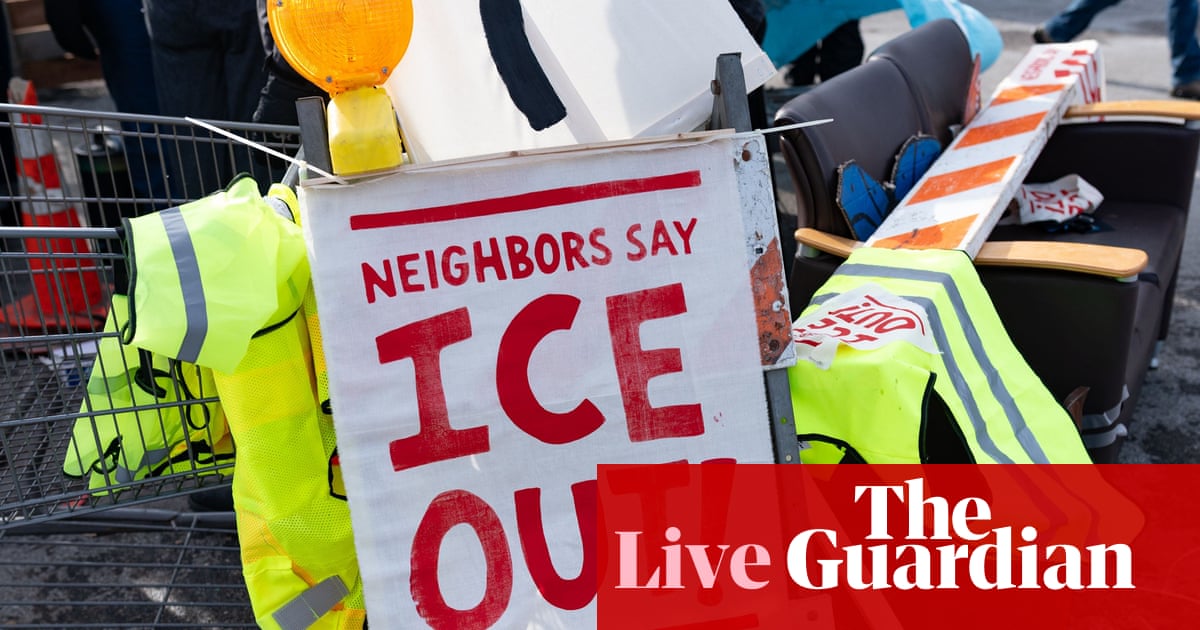
A critical deadline looms for America's Homeland Security funding, threatening a government shutdown amidst escalating political tensions and claims of 'lawless conduct' by immigration agencies. Top Democrats have branded the White House's latest proposal as 'incomplete and insufficient,' signaling a deepening crisis with just days to spare.
| Key Insight | Details |
|---|---|
| DHS Funding Crisis | Funding lapses February 13th; White House proposal deemed 'incomplete and insufficient' by top Democrats. |
| Immigration Enforcement | Accusations of ICE's 'lawless conduct' surface alongside a shocking report of school cameras used for mass deportation. |
| Transparency & Trust | Epstein file redactions raise questions about obscured abusers; American optimism for the future plummets to a 20-year low. |
Immigration Showdown: DHS Funding Hangs by a Thread
With the Department of Homeland Security's funding set to expire on February 13th, the prospect of a deal recedes further into uncertainty. House Minority Leader Hakeem Jeffries and Senate's top Democrat Chuck Schumer have vehemently rejected the initial GOP response, calling it 'both incomplete and insufficient in terms of addressing the concerns Americans have about ICE’s lawless conduct.'
This political gridlock means Republicans need at least seven Democrats to avoid a shutdown, either for a temporary stopgap measure or a full appropriations bill. The high-stakes negotiations are playing out on Capitol Hill, with both sides expected to issue public statements later today.
The Human Cost of Enforcement
Amidst the legislative turmoil, a harrowing account has emerged from Seamus Culleton, an Irish man detained by ICE for five months despite holding a valid work permit and no criminal record. He describes conditions at his Texas detention center as akin to 'torture,' fearing for his life and accusing staff of being 'capable of anything.'
Culleton's case highlights broader criticisms of Trump's mass deportation agenda, which has faced intense scrutiny following protestor deaths and allegations of agencies trampling on immigrants' and Americans' rights. Top agency heads are set to testify in Congress, grappling with falling public support despite being flush with increased funding.
Unseen Surveillance & Redacted Truths
Further compounding concerns over government overreach is a shocking investigation revealing how police departments across the US are quietly leveraging school district security cameras. These cameras are being used to assist immigration enforcement, feeding into a national database for immigration-related investigations.
Simultaneously, top House Democrat Jamie Raskin has accused the Justice Department of making 'puzzling, inexplicable redactions' to Jeffrey Epstein documents. These redactions allegedly obscured the names of abusers while allowing victims' identities to become public, fueling a growing demand for transparency that President Trump has previously flip-flopped on.
A Nation in Gloom: America's Future Optimism Plummets
Against this backdrop of political strife and eroding trust, a new Gallup poll reveals a startling decline in American optimism. Only 59% of Americans rated their future life highly, marking the lowest measure in nearly two decades, a stark warning about the 'depth of the gloom' settling over the country.
Research director Dan Witters noted that while current life satisfaction has declined, future optimism has eroded almost twice as much over the past decade. Fewer than half of Americans now fall into the 'thriving' category, indicating a profound national unease about what lies ahead.
FAQ
Q1: What is the current status of DHS funding?
A1: Department of Homeland Security (DHS) funding is set to lapse after February 13th. Democrats have rejected the White House's latest proposal as 'incomplete and insufficient,' leading to a political deadlock that threatens a government shutdown.
Q2: What are the main concerns regarding immigration enforcement?
A2: Concerns include accusations of ICE's 'lawless conduct,' reports of 'torture-like' conditions in detention centers, and the controversial use of school district security cameras by police for immigration-related investigations. Agencies are also facing criticism for policies that allegedly trample on civil rights.
Q3: How are privacy and transparency rights being challenged in this context?
A3: Privacy is challenged by the undisclosed use of school cameras for immigration enforcement. Transparency is questioned by 'puzzling, inexplicable redactions' in Jeffrey Epstein documents, which allegedly protected abusers' identities while exposing victims.
