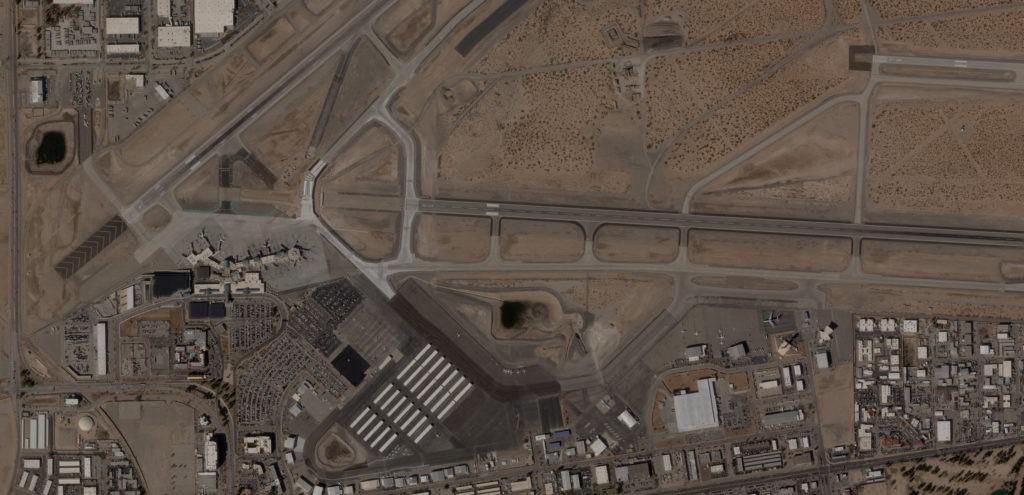
Cartel Drones SHUT DOWN US Airport! Chaos Erupts in El Paso, Fueling Border Crisis Fears
Imagine booking your flight, only to discover a drug cartel's drone operation has **shut down a major US airport**. This isn't a plot from a Hollywood thriller; it's the shocking reality that unfolded this week in El Paso, Texas, when a **Mexican cartel drone incursion** prompted an hours-long closure of airspace around El Paso International Airport. The unprecedented incident sent shockwaves across the nation, exposing a terrifying new dimension to the ongoing border crisis.
Initially, the Federal Aviation Administration (FAA) announced a **staggering 10-day grounding** of all flights—commercial, cargo, and general aviation—to and from the airport, citing "special security reasons." Travelers were left stranded, and a bustling border city faced significant disruption. However, just hours later, the closure was dramatically lifted, leaving more questions than answers.
The Unprecedented Threat: Cartels Take to the Skies
Transportation Secretary Sean Duffy quickly confirmed via X (formerly Twitter) that the FAA and the Defense Department had **"acted swiftly to address a cartel drone incursion."** He declared the threat "neutralized," and commercial travel resumed. Yet, details on the number of drones or the methods used to disable them remain shrouded in secrecy. This lack of transparency has only intensified public concern.
This isn't an isolated incident. Steven Willoughby, Deputy Director of Homeland Security's counter-drone program, testified in July that **cartels use drones almost daily** to smuggle drugs and surveil Border Patrol agents. In the last six months of 2024 alone, over **27,000 drones were detected** within 1,600 feet of the southern border, mostly under the cover of night. Thousands of pounds of illicit drugs, including fentanyl and methamphetamine, have been seized after being flown across the border by these aerial couriers.
El Paso: A Border City on Edge
El Paso, a vibrant border hub with nearly 700,000 residents, sits directly opposite Ciudad Juárez, Mexico—a city of 1.5 million. This cross-border connection, vital for commerce and daily life, also makes it a prime target for cartels seeking to secure their smuggling routes for drugs and migrants heading north, and cash and guns flowing south.
The brief airport shutdown did not extend to Mexican airspace, highlighting the complex, often unilateral nature of border security responses. Local newscasts captured the chaos, showing **stranded travelers lining up** at ticket counters and car rental desks, underscoring the immediate human impact of this evolving threat.
Political Fallout and Contradictory Accounts
The swift lifting of the restrictions, combined with the initial 10-day announcement, fueled a firestorm of controversy. Rep. Veronica Escobar, whose district includes El Paso, expressed outrage, stating neither her office, the city, nor airport operations received advance notice. "The information coming from the federal government **does not add up,"** Escobar declared, later suggesting the shutdown might not have been based on cartel drones in US airspace, directly contradicting earlier administration claims.
When pressed on Escobar's remarks, Pentagon officials offered **"no comment,"** further deepening the mystery. Meanwhile, U.S. Sen. Ben Ray Lujan of New Mexico demanded answers from the FAA and the administration, criticizing the lack of notification and the resulting "unnecessary chaos" for travelers.
What's Next for Border Security?
As Mexican President Claudia Sheinbaum announced a meeting between Mexican defense and navy secretaries and Northern Command officials in Washington, she emphasized her government's intent to investigate the "exact causes" of the closure. Sheinbaum also noted she had **"no information about the use of drones on the border"** from US authorities, urging them to share any findings with Mexico.
This incident serves as a stark reminder of the escalating, technologically advanced threats facing the US border. The question remains: how will the US and Mexico adapt their strategies to counter this new aerial front in the war against cartels?
Key Takeaways: El Paso Airspace Shutdown
| Aspect | Details |
|---|---|
| Incident | Mexican cartel drone incursion over El Paso International Airport. |
| Initial Response | FAA announced 10-day airspace closure for "special security reasons." |
| Resolution | Airspace closure lifted hours later; threat declared "neutralized." |
| Confirmed By | Transportation Secretary Sean Duffy (Trump admin). |
| Cartel Drone Activity | Over 27,000 drones detected near border in late 2024 (DHS). |
| Political Reaction | Rep. Escobar, Sen. Lujan demand answers, express skepticism over official explanation. |
| International Dimension | Mexican President Sheinbaum seeks "exact causes," denies prior drone info from US. |
| Impact | Stranded travelers, significant disruption, heightened border security concerns. | No comment from Pentagon regarding contradictory claims. |
Frequently Asked Questions (FAQ)
Q: What exactly caused the El Paso airport shutdown?
A: The Trump administration, through Transportation Secretary Sean Duffy, stated it was due to a "Mexican cartel drone incursion." However, Rep. Veronica Escobar later cast doubt on this explanation, suggesting congressional officials were told otherwise.
Q: How long was El Paso International Airport closed?
A: The FAA initially announced a 10-day closure, grounding all flights. However, the airspace restriction was lifted just hours later, with normal operations resuming Wednesday morning.
Q: Is this a common occurrence at the US-Mexico border?
A: While a direct airport shutdown is unprecedented, cartel drone activity is alarmingly common. Homeland Security data shows over 27,000 drones were detected near the southern border in the latter half of 2024, primarily for drug smuggling and surveillance.
Q: What kind of drugs are cartels smuggling with drones?
A: Agents have seized thousands of pounds of methamphetamine, fentanyl, and other illicit drugs that cartels attempt to fly across the border using drones.
Q: Is there still a threat in the region?
A: Transportation Secretary Sean Duffy stated the threat was "neutralized" and there was "no danger to commercial travel in the region" after the airspace was reopened. However, a similar 10-day flight restriction remained in place around Santa Teresa, New Mexico, about 15 miles northwest of El Paso, with no immediate explanation from the FAA.
