Brace for Impact: US Government Shutdown Threatens Travel & Key Services
America, prepare for turbulence! A partial US government shutdown has officially begun, sending shockwaves through the travel industry and raising alarms for critical services. Airlines, travel groups, and federal agencies are issuing stark warnings: your next flight could be a nightmare of delays, and essential Coast Guard missions may be suspended.
At the heart of the crisis? A political deadlock in Washington over funding the Department of Homeland Security (DHS) and contentious immigration reforms. As of Saturday morning, key personnel are already facing the grim prospect of working without pay, a scenario that previously brought the nation's airports to a grinding halt.
The Immediate Threat: What Travelers Need to Know
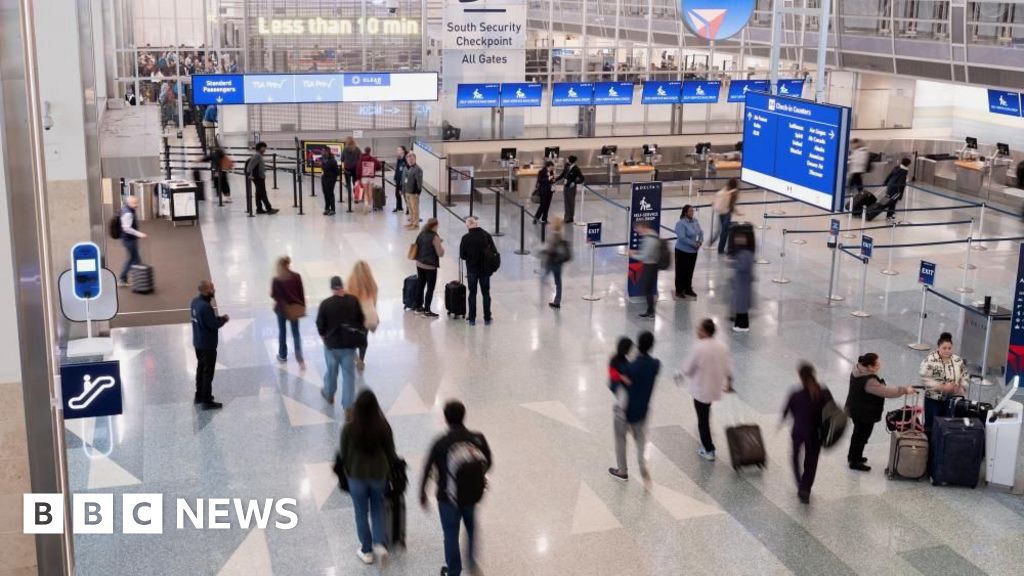
The biggest concern for millions of Americans isn't a surprise: airport lines. Travel groups, including Airlines for America, have sounded the alarm. Without a funding deal, the risk of unscheduled absences by Transportation Security Administration (TSA) workers skyrockets. Why? Because these essential personnel may be forced to work without their paychecks.
“Travellers and the US economy cannot afford to have essential TSA personnel working without pay,” a joint statement warned. This could lead to a domino effect of:
- Significantly longer wait times at security checkpoints.
- Increased flight delays across the country.
- Potential disruption to your long-planned trips and holiday getaways.
While the Federal Aviation Administration (FAA), which oversees air traffic controllers, has secured its funding for the year, the impact on TSA is a direct blow to the traveler experience.
Beyond the Airport: Critical Services at Risk
The shutdown's reach extends far beyond airport security. Another vital agency under the DHS umbrella, the US Coast Guard, is also facing severe repercussions. Vice Admiral Thomas Allan revealed that without immediate funding, approximately 56,000 Coast Guard workers could go unpaid.
The devastating consequence? The agency may be forced to suspend missions deemed "not critical or lifesaving." Imagine the ripple effect on maritime safety, national security, and emergency response capabilities.
Why Now? The Political Showdown Unpacked
This partial shutdown kicked off at midnight on Saturday after Congress failed to pass a bill to fund DHS operations. The political stalemate centers on:
- DHS Funding: Lawmakers couldn't agree on a comprehensive funding package for the Department of Homeland Security.
- Immigration Reforms: Democrats are demanding stricter rules for US Immigrations and Customs Enforcement (ICE) and other DHS changes, including a ban on agents wearing face masks and better officer identification. This push comes after federal agents killed two Minneapolis residents during immigration protests in January.
President Donald Trump, when asked about a potential deal, stated, “We always have to protect our law enforcement.” Senate Democrats, however, blocked two funding bills because they lacked the crucial immigration reforms.
Echoes of the Past: A Looming Crisis?
Last year, the US experienced its longest full government shutdown in history, a 43-day ordeal that left countless federal workers without pay and caused widespread flight chaos. While this current situation is "partial" and the FAA is funded, the parallels are unsettling. Congress is scheduled for a recess until February 23rd, meaning this shutdown could drag on until the President's State of the Union address the following day, intensifying the pressure on unpaid workers and the travel sector.
The DHS does have a substantial reserve of $165 billion from Trump's "One Big Beautiful Bill Act" (which also included $75 billion for ICE) that could be used to mitigate some funding shortfalls. However, relying on these funds is a temporary band-aid, not a permanent solution to the political impasse.
Key Takeaways for Americans
| Impact Area | What You Need to Know |
|---|---|
| Air Travel | Potential for longer TSA lines and flight delays due to unpaid workers. |
| US Coast Guard | Up to 56,000 workers face unpaid status; non-critical missions may be suspended. |
| DHS Operations | Key agencies under DHS, including TSA and Coast Guard, are directly affected. |
| Political Stalemate | Shutdown triggered by Congress's failure to fund DHS, fueled by demands for immigration reform. |
| Outlook | Could last until at least February 23rd, potentially longer. |
Frequently Asked Questions (FAQ)
Q: What is a partial government shutdown?
A: A partial government shutdown occurs when Congress fails to pass appropriation bills to fund specific government agencies or departments. Essential services and previously funded agencies continue, but others face significant disruption, including employees working without pay or being furloughed.
Q: Will my flight be canceled because of the shutdown?
A: Direct flight cancellations are less likely, as air traffic control (FAA) is funded. However, expect potentially significantly longer wait times at airport security checkpoints due to possible TSA worker absences. This could lead to missed connections or delays for travelers.
Q: Who are the main federal agencies affected by this shutdown?
A: The primary agencies affected under the Department of Homeland Security (DHS) umbrella are the Transportation Security Administration (TSA) and the US Coast Guard. Their employees may have to work without pay, impacting operations.
Q: What is the "One Big Beautiful Bill Act" and how does it relate?
A: This act, passed last year, provided significant funding to the DHS, including $75 billion for ICE. While it offers some financial cushion, it doesn't solve the current funding impasse for all DHS operations and the political demands for immigration reform.
