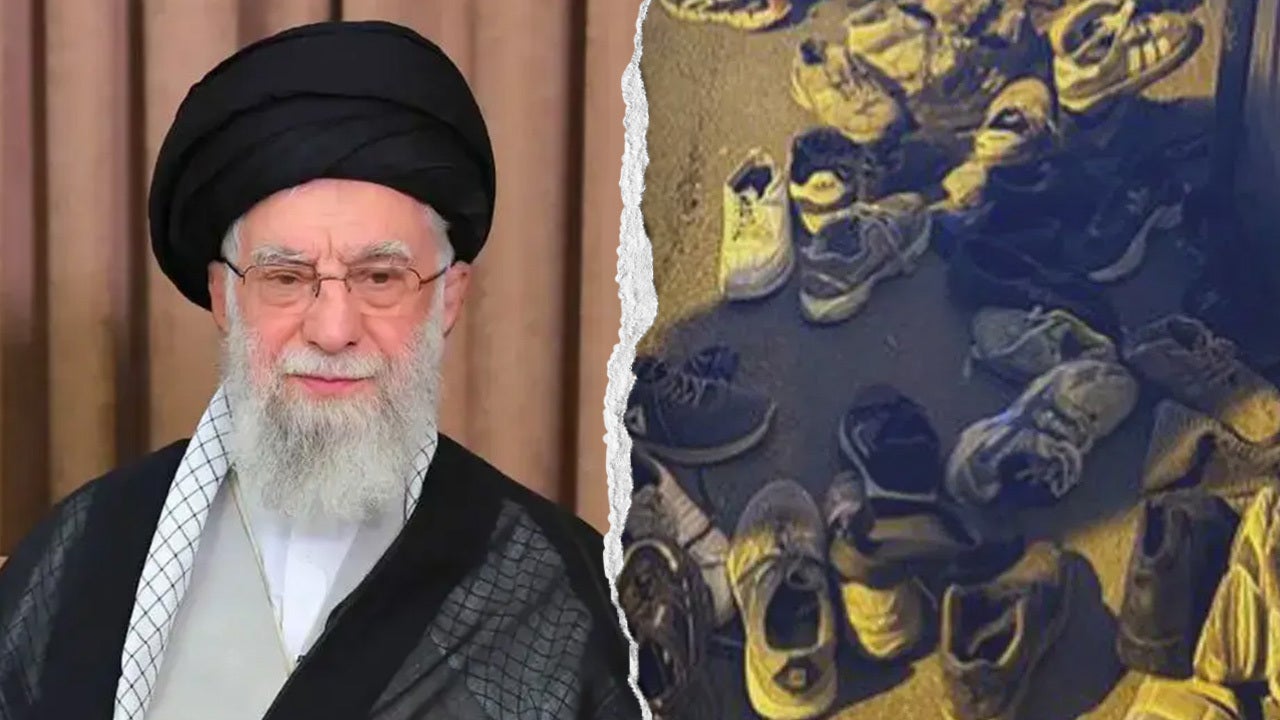
A terrifying silence has fallen over Iran, but beneath it, the cries of thousands echo – victims of a regime unleashing unprecedented, unspeakable violence on its own people. While the world grapples with conflicting reports, brutal evidence of the Iranian regime’s crackdown on its own citizens continues to circulate online, painting a horrifying picture of a nation in turmoil.
| Key Insight | Details |
|---|---|
| Escalating Brutality | Regime's violence dramatically increased, with "shoot-to-kill" orders issued nationwide. |
| Hidden Death Toll | Estimates range from thousands confirmed dead to over 36,000 feared killed amid internet blackouts. |
| Targeted Killings | Protesters often shot in the head/neck with multiple bullets; detainees allegedly killed and bodies burned. |
| Mass Detentions | Over 20,000 protesters detained, raising grave concerns about potential executions. |
| Desperate Plea | Voices from inside Iran express hope for international intervention, particularly from the U.S. |
The Unseen Horror: What the Regime Hides
As internet blackouts and state intimidation shroud the nation, the true scale of human suffering remains hotly contested. Iranian journalist Fatemeh Jamalpour, who has covered every major protest for two decades, confirms a terrifying escalation. "The regime’s level of violence has increased dramatically," she states, emphasizing the difficulty of knowing the true scale of the killing amidst communication blackouts.
Jamalpour reveals a chilling new tactic: "Starting on the night of January 8, the regime issued shoot-to-kill orders to the IRGC, the Basij and the riot police, authorizing direct fire." Previously, military-grade weapons were largely confined to minority provinces. Now, they are being deployed across the entire country, with health ministry officials reportedly running out of body bags for the dead.
Conflicting Counts: The Battle for Truth
Estimates for the death toll diverge wildly, highlighting the profound information vacuum. The Human Rights Activists News Agency (HRANA), a U.S.-based group meticulously tracking deaths, reported 5,848 confirmed killed as of January 25, including 5,520 protesters and 77 children under 18. This figure, they stress, only covers independently documented cases and is expected to rise.
In stark contrast, Iranian authorities have offered a single, unsupported official count of 3,117 deaths, a figure not updated publicly for days and devoid of any verifiable details. The regime's lack of transparency only fuels suspicions of a far grimmer reality.
Beyond the Numbers: A Deep Dive into Medical Data
Further investigations suggest the official figures are a gross underestimation. A medical working paper by Munich Med Group, reviewed by Fox News Digital, estimates a nationwide death toll of approximately 33,130 people by January 23. This conservative extrapolation model accounts for severe underreporting during the communications blackout, offering a stark lower-bound estimate.
Even more horrifying, Iran International published an investigation claiming documents provided by inside sources indicate over 36,500 people were killed during just two days of protests on January 8 and 9 alone. While these claims await independent verification, they underscore the catastrophic potential scale of the violence.
Stories of Brutality and Unyielding Hope
The wide gap in figures reflects not just the scale of the violence, but also its brutal nature and the conditions under which it occurred. Doctors and medical staff, using limited Starlink connections, attempted to document what they witnessed: protesters shot in the head and neck with intent to kill, many by multiple bullets, some even shot from behind while fleeing.
Jamalpour’s accounts paint a harrowing picture of a regime determined to crush a generation. "Among the dead are children and a 67-year-old man, but most are young people under 30," she reveals. She recounted the tragic killing of Mehdi Khanmohammadi, a 67-year-old retired army colonel, shot dead by two bullets on January 9. His daughter's heartbreaking plea over his lifeless body – "Can you open your eyes and wake up?" – has become a symbol of the collective grief sweeping the nation.
Yet, amidst the shock and sorrow, a powerful undercurrent of hope persists. Jamalpour hears "people’s hope for Trump’s help in freeing Iran," a desperate plea for international intervention. This desire for change is now "intertwined with anger and grief," fueling a determination to dismantle the current regime.
The crackdown, however, is far from over. Lawyers and human rights organizations are gravely concerned for the more than 20,000 protesters detained, who now face the terrifying risk of execution. The world watches, or perhaps looks away, as Iran stands on the precipice of an even greater human rights catastrophe.
Frequently Asked Questions
Q: What is the estimated death toll in the recent Iran protests?
A: The exact death toll is highly contested due to internet blackouts and state intimidation. HRANA confirmed 5,848 deaths, while the Iranian government claims 3,117. Independent analyses, like the Munich Med Group, estimate over 33,000 fatalities, and Iran International reports suggest figures potentially exceeding 36,500.
Q: Why is it so difficult to get accurate information about the protests in Iran?
A: The Iranian regime has imposed severe internet blackouts and employs state intimidation tactics to control information flow. This makes independent documentation and verification of deaths and events extremely challenging for journalists and human rights organizations.
Q: What is the Iranian regime's response to the protests?
A: The regime has responded with extreme force, including "shoot-to-kill" orders for security forces, widespread use of military-grade weapons, mass detentions of over 20,000 individuals, and alleged burning of bodies. The violence marks a significant escalation compared to previous crackdowns.
