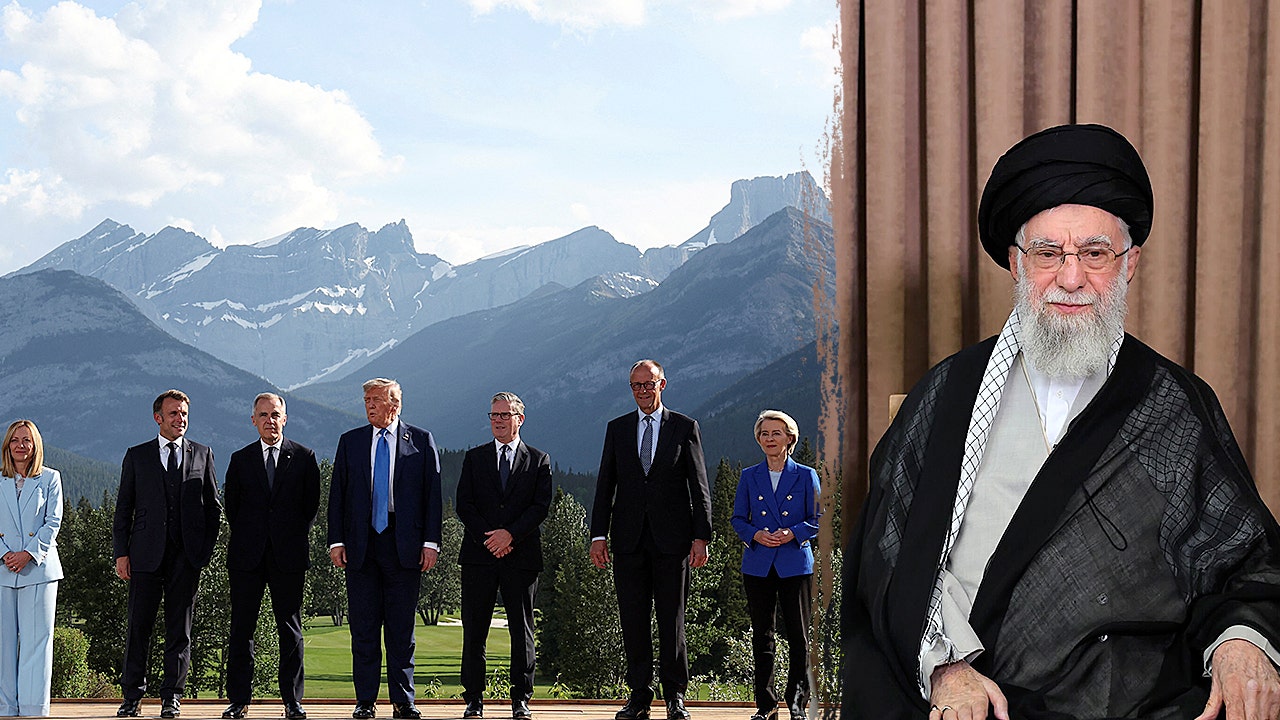
A nation bleeds as Iran's streets become a battleground, with reports surfacing of over 2,500 lives lost in a brutal crackdown on anti-government protests. This spiraling crisis has drawn a sharp rebuke from global powers, prompting President Donald Trump to warn of potential action if the violence escalates further.
| Key Insight | Details |
|---|
| Rising Death Toll | Reports indicate over 2,500 protesters killed, with some estimates exceeding 3,000 amid Iran's violent crackdown. |
| G7 Issues Ultimatum | The Group of Seven nations have expressed "grave concern" and threaten additional sanctions if Iran's regime continues its brutal repression. |
| Trump's Warning | President Donald Trump has warned of potential US action if the ongoing protests and the regime's violent response escalate further. |
| Root Causes | Protests, ongoing since late December 2025, stem from deepening economic distress, the collapse of the Iranian rial, and widespread demands for dignity and freedom. |
Iran's Streets Become a Battleground
Fox News chief foreign correspondent Trey Yingst, reporting live from Tel Aviv, has confirmed a harrowing statistic: over 2,500 individuals have been killed amid Iran's ongoing protests. This grim figure is supported by the Human Rights Activist News Agency (HRANA), which announced 2,403 protester deaths, while other reports suggest the real number could tragically exceed 3,000.
These widespread demonstrations, which ignited on December 28, 2025, initially stemmed from severe economic distress and the freefall of the Iranian rial. They have since rapidly metastasized into broader anti-government movements, with citizens bravely voicing legitimate aspirations for
a better life, dignity, and freedom.
Global Alarm: G7 Demands End to Brutality
In a powerful display of international unity, the Group of Seven (G7) nations issued a stark warning to Tehran on Wednesday. Foreign ministers from Canada, France, Germany, Italy, Japan, the U.K., and the U.S., joined by the European Union’s high representative, released a joint statement expressing “grave concern” over the escalating reports of mass casualties, widespread injuries, and alleged human rights abuses.
The G7 ministers explicitly condemned the Iranian authorities’ “brutal repression” and the
“deliberate use of violence and the killing of protesters, arbitrary detention, and intimidation tactics by security forces.” They unequivocally urged Iranian authorities to show restraint, end the use of force against civilians, and uphold their international obligations to protect freedoms of expression, information, and peaceful assembly.
Sanctions Loom as Western Powers Stand Firm
While the joint statement refrained from listing immediate new sanctions, it unequivocally signaled that
additional restrictive measures remain on the table. The G7 warned that Iran’s continued crackdown, in direct violation of international human rights obligations, could swiftly trigger further punitive actions from leading Western powers.
This unified front underscores the international community’s growing frustration with Tehran’s violent response to its own citizens. The message is clear: the world is watching, and inaction on human rights will have consequences.
Trump's Direct Threat Escalates Pressure
Adding another layer of intense international pressure, President Donald Trump has issued his own direct warning to Iran. He threatens potential action if the protests continue to escalate and the regime's violent crackdown persists. This powerful statement aligns with the G7’s hardened stance, suggesting a coordinated international response if Tehran fails to de-escalate the crisis.
With both the G7 and the US President taking a firm public stand, the Iranian regime faces unprecedented international scrutiny. The coming days will reveal whether this combined pressure can halt the bloodshed and compel Tehran to respect the fundamental rights of its people.
FAQ: Iran Protests and International Response
Q1: What initially sparked the protests in Iran?
A1: The protests, which began in late December 2025, were initially triggered by deepening economic distress and the severe devaluation of the Iranian rial. They quickly evolved into broader anti-government demonstrations demanding fundamental rights, dignity, and freedom from the regime.
Q2: How has the international community responded to the crisis?
A2: The Group of Seven (G7) nations, including the U.S., Canada, and European powers, have issued a joint statement expressing "grave concern" over the human rights abuses and threatening additional sanctions if the violent crackdown continues. U.S. President Donald Trump has also threatened potential action if the escalation persists.
Q3: What are the reported casualty figures from the protests?
A3: Reports vary, but all indicate a high death toll. Fox News chief foreign correspondent Trey Yingst reported over 2,500 killed. The Human Rights Activist News Agency (HRANA) put the number at 2,403, while other sources suggest the actual death toll could exceed 3,000, with many more injured and arbitrarily detained.