The digital realm has become the latest battleground in an escalating geopolitical conflict between the United States and Europe. Recent US visa bans targeting prominent European figures behind robust digital safety laws have sparked outrage across the continent, with leaders accusing Washington of "coercion and intimidation." This move highlights a deepening divide over the regulation of American tech giants and the very concept of digital sovereignty.
Escalating Tensions: US Visa Bans Spark Outcry
On Tuesday, the US administration imposed visa bans on five key individuals instrumental in shaping Europe's Digital Services Act (DSA). Among them is Thierry Breton, former EU Commissioner and a chief architect of the DSA, alongside four anti-disinformation campaigners from Germany and the UK.
US Secretary of State Marco Rubio justified the bans, stating on X that "ideologues in Europe have led organised efforts to coerce American platforms to punish American viewpoints they oppose," labeling it "egregious acts of extraterritorial censorship."
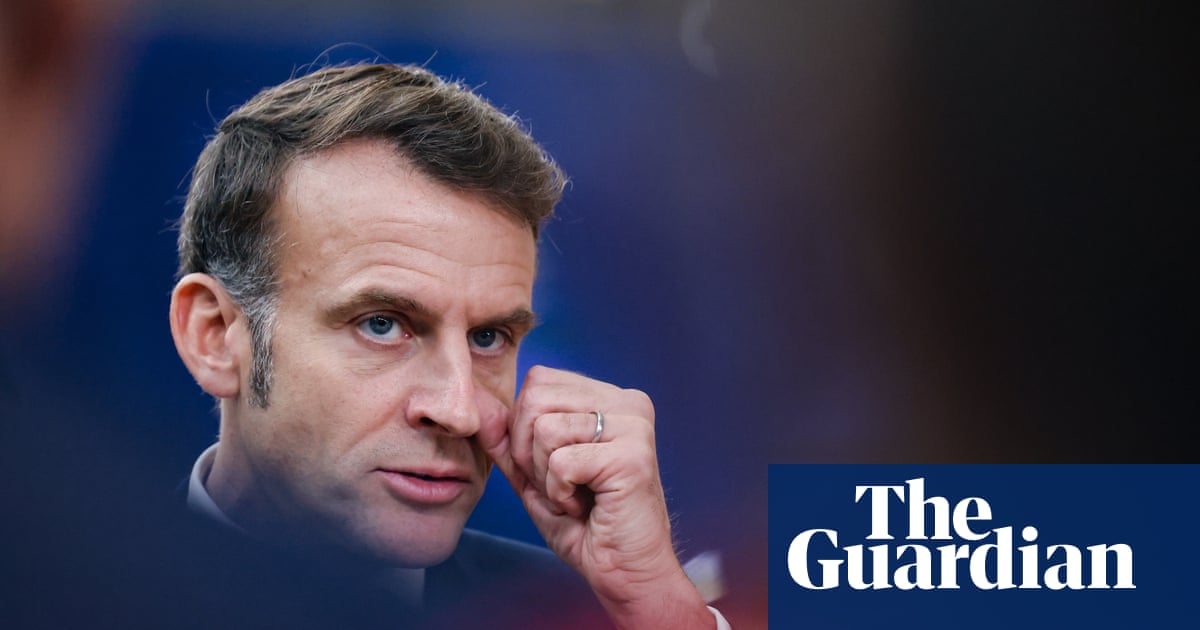
However, European leaders, including French President Emmanuel Macron, swiftly condemned the measures. Germany, Spain, the UK, and numerous EU officials echoed this sentiment, with Brussels signaling a potential "swift and decisive" response to the "unjustified measures."
The Digital Services Act (DSA): Europe's Stance on Online Safety
At the heart of this dispute is the Digital Services Act (DSA), an EU law passed in 2022. This legislation mandates large digital platforms to actively address online risks such as illegal content, hate speech, and the spread of disinformation. For Europe, the DSA is a crucial tool to ensure a safer online environment, promoting "fair competition among platforms" and ensuring "what is illegal offline is also illegal online."
Washington, conversely, views the DSA as a form of censorship and an attempt to impose "undue" restrictions on freedom of expression, arguing its extraterritorial implications are designed to weaken US tech firms. The EU's enforcement, as seen in the recent €120m fine on Elon Musk's X platform for transparency transgressions, further underscores Europe's commitment to these regulations.
A Battle for Digital Sovereignty: Macron Leads the Charge
French President Emmanuel Macron vehemently denounced the visa bans, asserting they "amount to intimidation and coercion aimed at undermining European digital sovereignty." He emphasized that "The rules governing the European Union's digital space are not meant to be determined outside Europe."
Other European figures were equally outspoken. Thierry Breton questioned if "McCarthy's witch-hunt" was back, while EU Commission President Ursula von der Leyen affirmed, "Freedom of speech is the foundation of our strong and vibrant European democracy. We are proud of it. We will protect it." Officials from Germany and Spain reiterated their support for the targeted individuals and their commitment to a digital space free from illegal content and disinformation.
Wider Implications: Geopolitical Rifts and Future Confrontations
This recent spat is not an isolated incident but rather the latest manifestation of ongoing US-EU tensions, particularly under the Trump administration. The conflict extends beyond tech regulation, touching upon broader cultural and political divides. Digital technologies and Artificial Intelligence are increasingly becoming central to global power dynamics, making this a pivotal "theatre of confrontation."
Past friction, such as Washington's sanctions on a French judge for the International Criminal Court's actions, underscores a pattern. Michel Duclos, a former senior French diplomat, lamented the situation, drawing parallels to historical power shifts and suggesting Europe risks becoming "the new Russia for Washington" in terms of diplomatic treatment.
This escalating row signifies a critical juncture where Europe is asserting its regulatory autonomy and digital independence against perceived US overreach.
The US visa bans have lit a fuse, igniting a fervent defense of digital sovereignty across Europe. As both sides dig in, the world watches to see how this fundamental disagreement over tech regulation and online freedom will reshape the transatlantic relationship. The outcome will undoubtedly have profound implications for global internet governance and the future of digital policy.
Categories: #World News, #Technology, #Geopolitics
